fbpx

Sri Lankan  Food Guide

Try These  5 Dishes

After spending a long day surfing Sri Lanka’s best waves, one can work up quite the appetite. Sri Lankan dishes are packed with flavour, therefore eating your way around the island is an important part of the experience. Coconut-based breakfasts, curries and street food, Sri Lankan food is diverse and you have got to try it all!

When staying at Kima Surf Camps in Weligama or Hiriketiya, surfing is the priority, but we also want our surfers to have the full Sri Lankan experience, between surf sessions, camp life, social activities and exploring Sri Lanka’s hidden gems, trying some local food is an experience everyone remembers.

A Short History  of Sri Lankan Food

Coconut, rice and spices are at the heart of almost all Sri Lankan dishes, and along the coast many meals also feature fresh seafood. Sri Lanka’s rich culinary heritage is influenced by South India, Arab traders and European colonial history. Combined with the island’s tropical climate and rich agriculture, this has shaped the bold and flavourful cuisine Sri Lanka is known for today.

In the past, cooking rice was regarded as an art form in Sri Lanka. It was made in a variety of ways, including creamy milk rice, rice gruel, and spicy rice meals. Additionally, rice had great cultural significance, as seen by rulers giving Buddhist priests milk rice. These customs show how Sri Lankan food has been greatly influenced by Buddhism, the nation’s primary religion.

Locals in Sri Lanka don’t eat like Westerners do; breakfast is typically light and filling, lunch is the main meal of the day, and dinner is street food. The rhythm is ideal for the surf lifestyle and makes sense in the humid tropical climate!

5 Must-try  Sri Lankan Dishes

Rice and Curry: The Staple

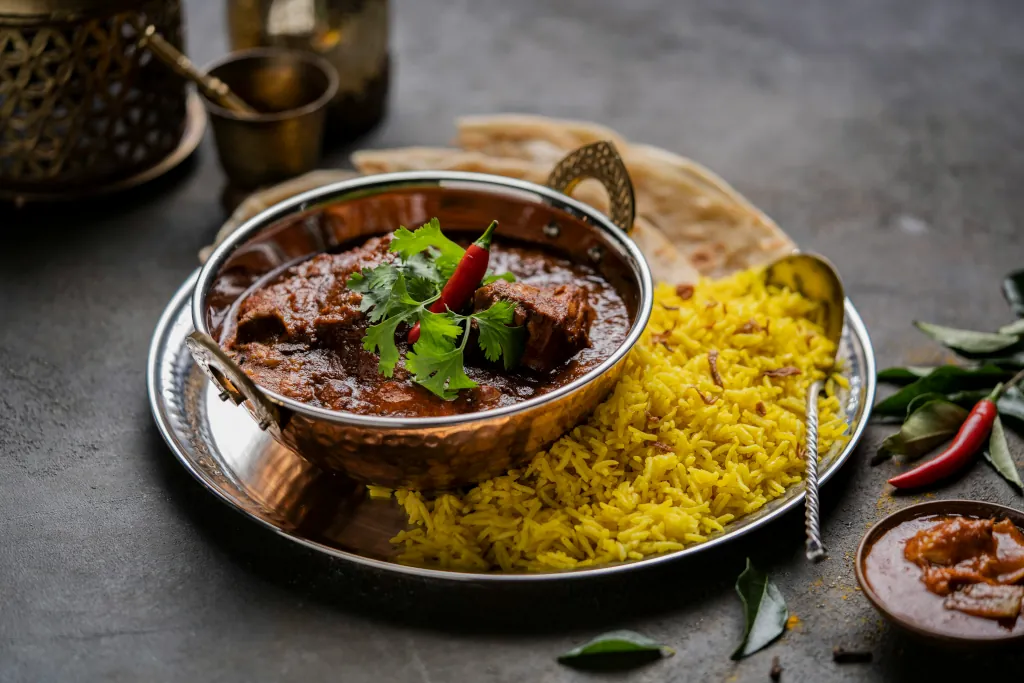
One of the most eaten meals in Sri Lanka, particularly during lunch, is rice with curry! Steamed rice, a few tiny curries (such dhal, jackfruit, pumpkin, fish ambul thiyal, or chicken curry), and sides like pol sambol, pickles, and papadam are typically served on a platter.

Our Sri Lankan curry is a great way to get your energy levels up at Kima, it is served with red or white rice, mango chutney, pickle and papadam, the perfect meal to refuel you after a long morning catching epic waves!

Breakfast Classics: Hoppers (Appam) & String Hoppers (Indi Appa)

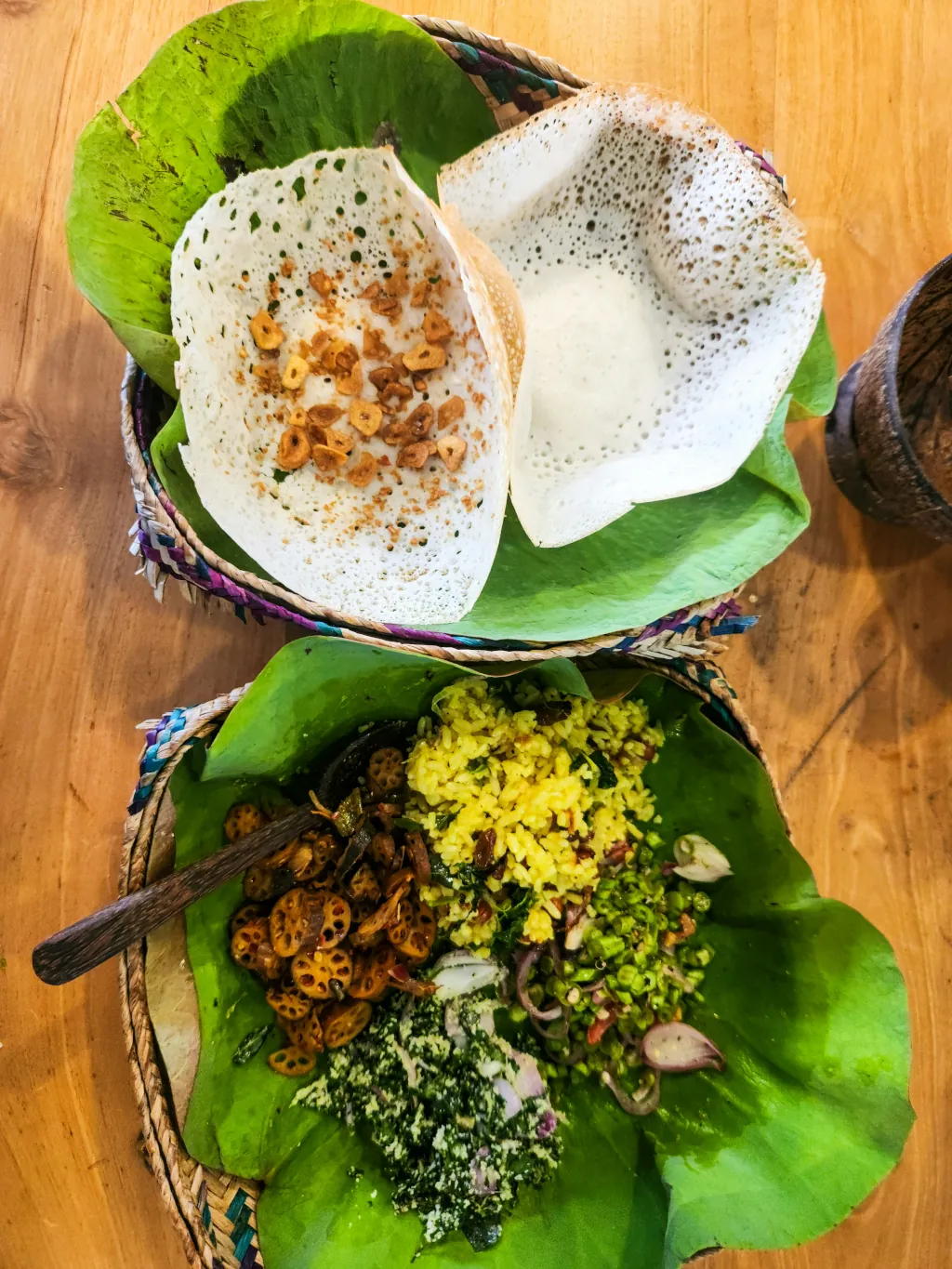
Breakfast in Sri Lanka is flavourful and packed with nutrients! Hoppers (appam) are bowl-shaped pancakes. They are made from fermented rice flour and coconut milk. They’re crispy on the edges, soft in the middle and often served with dhal, pol sambol or an egg hopper.

String hoppers (indi appa) are steamed rice noodles, and are often eaten with coconut sambol and curry. Light but filling, they’re perfect before a morning surf.

Kottu Roti: Sri Lanka’s most popular street food

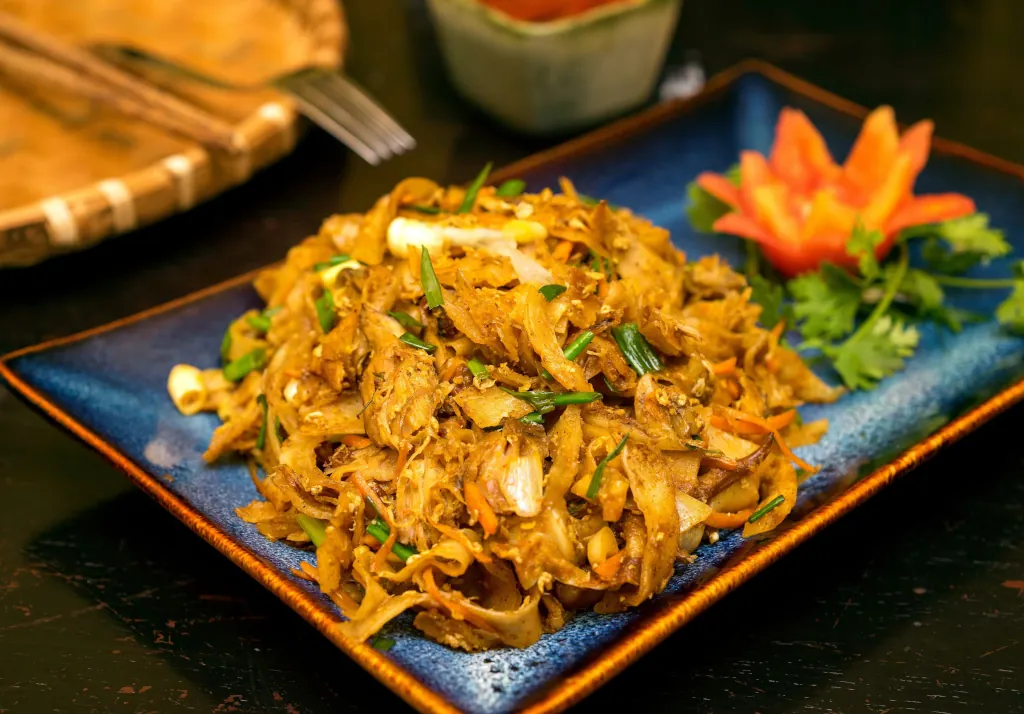
Kottu is made by chopping flatbread, with vegetables, eggs, and chicken, cheese or vegetables. This street food is cooked and served straight off the grill in front of you! This is one of Sri Lanka’s most popular street foods, to be enjoyed post sunset surf, for dinner or as a late-night snack.

Pol Sambol: A Great Side Dish

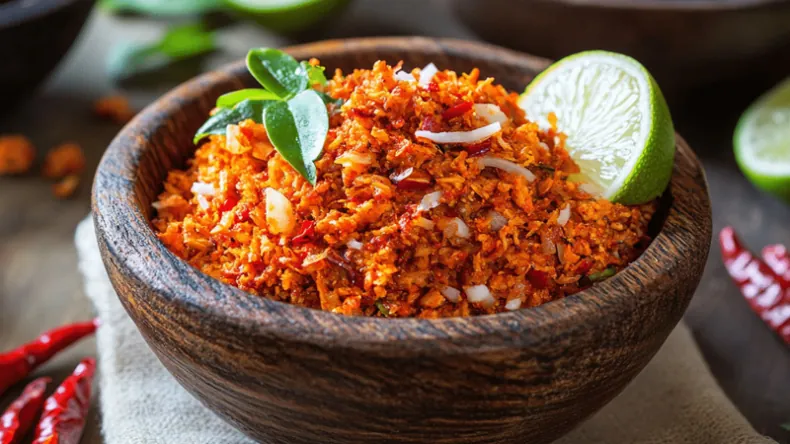
Pol Sambol is a coconut-based side dish that is served with nearly every meal. It is one of the most popular flavors in Sri Lanka. Every Sri Lankan home prepares pol sambol in a distinct way, ranging from mild to fiery. Pol Sambol adds a sour and spicy flavor to rice and curry or roti.

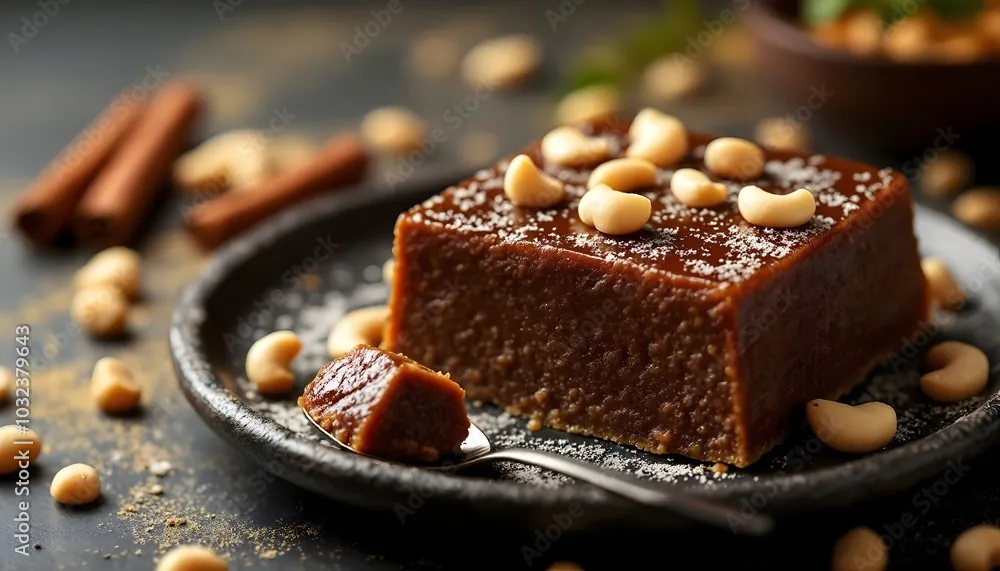
Watalappam: A Sri Lankan Dessert

A traditional dessert is watalappam, which is a coconut custard made with cashews, coconut milk, palm sugar, and spices like nutmeg and cardamom. Watalappam is frequently eaten as a special treat or during festivities.

Sri Lankan food is often naturally vegetarian, and this is because of religion, availability and climate. Coconut is used in every form possible, toasted, dried, grated fresh, made into milk and cooked into curries and more. Another interesting fact about Sri Lankan cuisine is it is not built around one main dish, it is always combined, by serving many small portions onto one big plate, to encourage mixing and sharing. Spice in Sri Lanka is also more about balance than pure heat, it’s about mixing spicy, sweet, salty and sour into one meal.

Eat Local  with Kima Surf Camps

For a taste of Sri Lanka, travel to Kima!

Be ready for more than just amazing surfing and fun social events—our delectable food is another highlight. The meals we serve at our Weligama and Hiriketiya Camps are influenced by Sri Lankan traditional cooking.

Are you ready to eat Sri Lankan food and ride the best waves in the tropics? Make your reservation now!