

What is Sinhala & Tamil New Year in Sri Lanka?
Celebrate & Surf!
What if you could celebrate New Year’s twice a year? If you’ve ever felt like one New Year’s Eve in December just isn’t enough, then visiting Sri Lanka for your next surf journey is exactly where you need to be.
When you’re hanging out at one of our Kima Surf camps in mid-April, you’ll notice a shift in the air. The usual eat-sleep-surf routine gets a high-energy upgrade as the island prepares for “Avurudu” in Sinhala and “Puthandu” in Tamil, the Sinhala and Tamil New Year. It’s easily the most soulful time to be in Weligama or Hiriketiya, where you’ll find the perfect blend of ancient rituals and world-class waves. Experiencing this festivity is the ultimate way to discover the true spirit of Sri Lanka.
What exactly is Avurudu, and why April?
The Sinhala and Tamil New Year is a Solar Festival, one of the most important cultural festivals celebrated in Sri Lanka. Unlike the Western New Year, it follows the movement of the sun from Meena Rashiya (the House of Pisces) to Mesha Rashiya (the House of Aries). In the Sri Lankan calendar, this marks the end of the harvest season and the beginning of a fresh cycle.
It traditionally falls on April 13th and 14th. This year, the main New Year Day is Tuesday, April 14th. Historically, this was when farmers finished gathering the Maha season paddy harvest. It also marks the start of the Yala season. It’s a festival of new beginnings and positivity, the perfect time to learn how to surf and start your own new cycle.
Sinhala New Year (Aluth Avurudda)
- Religion : Predominantly Buddhist
- Main Ritual : Boiling milk: letting a pot overflow to symbolize prosperity.
- Main Dish : Kiribath: creamy rice cooked in thick coconut milk.
Tamil New Year (Puthandu)
- Religion : Predominantly Hindu
- Main Ritual : Maruthu neer: purifying the soul with a special herbal bath.
- Main Dish : Pachadi: a dish of six flavors representing all of life’s emotions.

The Rituals: Syncing with the Island’s Rhythm
To understand the Sri Lankan New Year, you have to understand its rhythm. It’s not just a one night party, it’s a journey of four parts, hitting reset on life:
- The old year: wrapping up every loose end.
- The interim (Nonagathaya): the “time between times”. The ultimate rest.
- The festivities: lighting the hearth and the first meal.
- Purification: the anointing of oil for a healthy year ahead.
Ritual Bathing
Before the New Year kicks off, it’s all about hitting the reset button. It starts with a ceremonial herbal bath on New Year’s Eve to wash away the old year. And once the new cycle begins, families gather for the Anointing of Oil at temples, where a priest or elder rubs specially prepared herbal oils on your head and feet. A powerful blessing for health and a sharp mind.
Nonagathaya
Astrologers calculate a gap (usually about 12 hours) between the old and new year where all work stops. During this time, families focus on temple visits, prayers and quiet reflection. For us, it’s time to put down the board, pause your paddling and simply reflect. It’s the island’s way of ensuring the year starts with a totally clean slate.
Lighting the hearth & boiling milk
Prosperity is the theme here! Every household lights their fire while wearing the auspicious color of the year. They boil a fresh pot of coconut milk until it spills over the sides, a symbol for a life that is overflowing with good vibes and success!
Ganu denu
This is a ritual of give and take. People exchange a sheaf of betel leaves and a symbolic gift of money to wish for a prosperous year. In villages, people even exchange with the garden well, dropping a coin in as a thank you for the water provided all year.
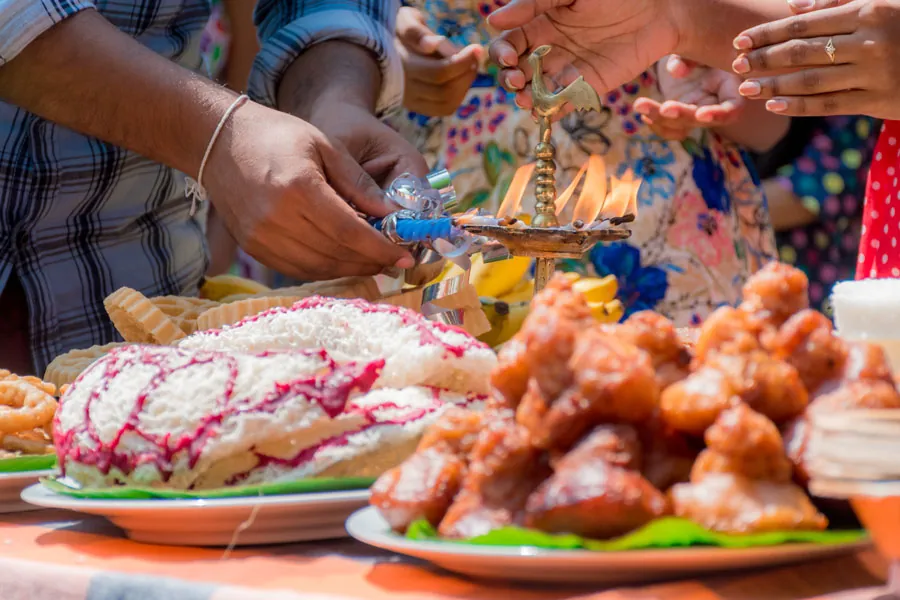
The First Meal
This is the moment everyone waits for. The whole family sits together to eat Kiribath (Milk Rice) mixed with ghee and jaggery. Sharing this meal together with family and friends is one of the highlights and something you should definitely join. It’s the perfect team dinner before heading back to the waves.
New Year’s Sweets
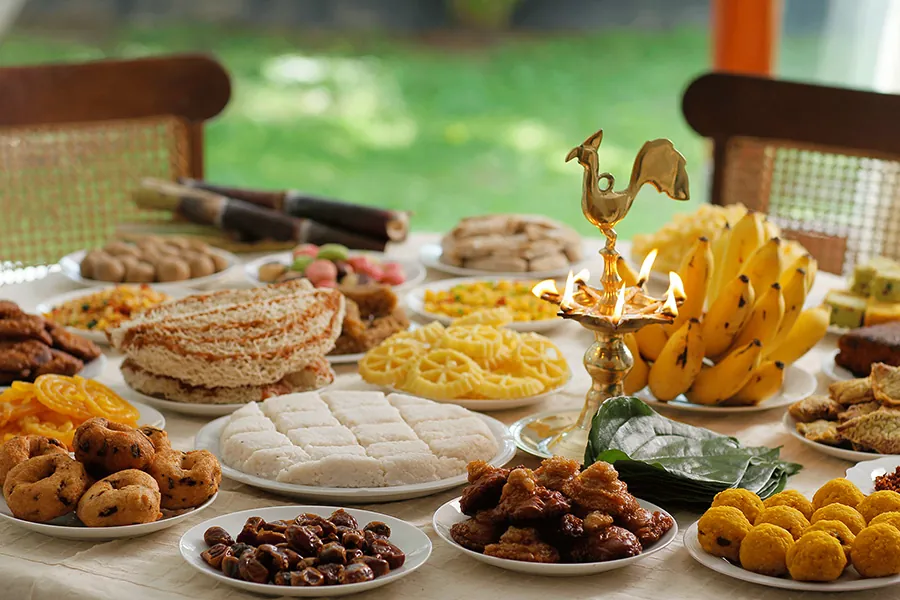
You cannot experience the Sri Lankan New Year without the food. When the auspicious time for cooking arrives, the smell of coconut milk, spices and treacle fills the air. Here are a few must-try dishes to fuel your surf session:
- Kiribath: the heart of the festival. This creamy rice with coconut milk provides incredible slow-burn energy for a long surf session.
- Kevum & kokis: kevum (deep-fried oil cakes) and Kokis (crunchy snacks) are the perfect post-surf snacks to share after catching waves.
- Aasmi: a crispy, deep-fried treat made from rice flour and coconut milk and topped with a bright drizzle of sugar syrup or treacle for extra appeal.
- Bananas & tea: no Avurudu table is complete without a bunch of sour bananas and a delicious cup of Ceylon ginger tea!
Surfing With Kima During the Holidays
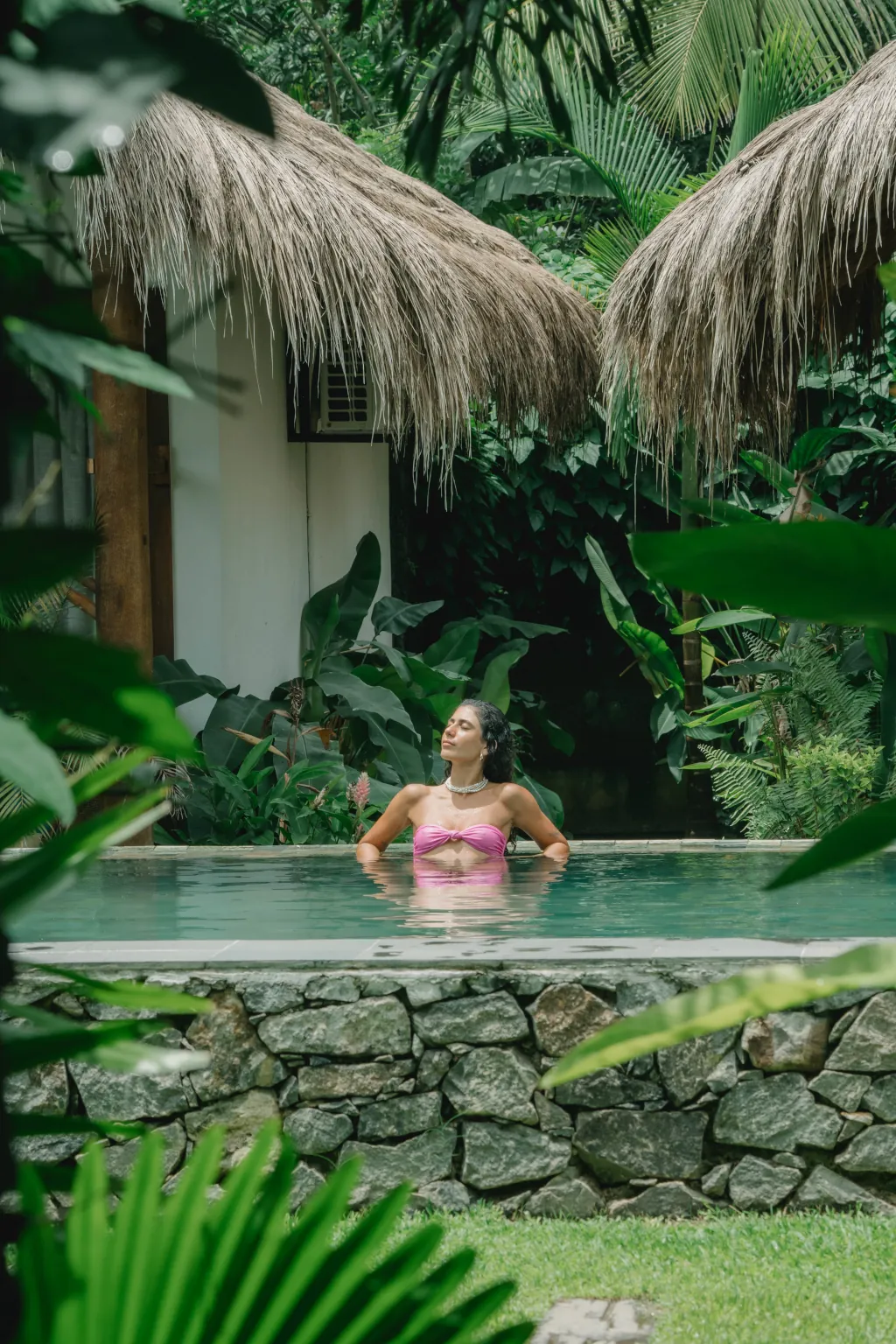
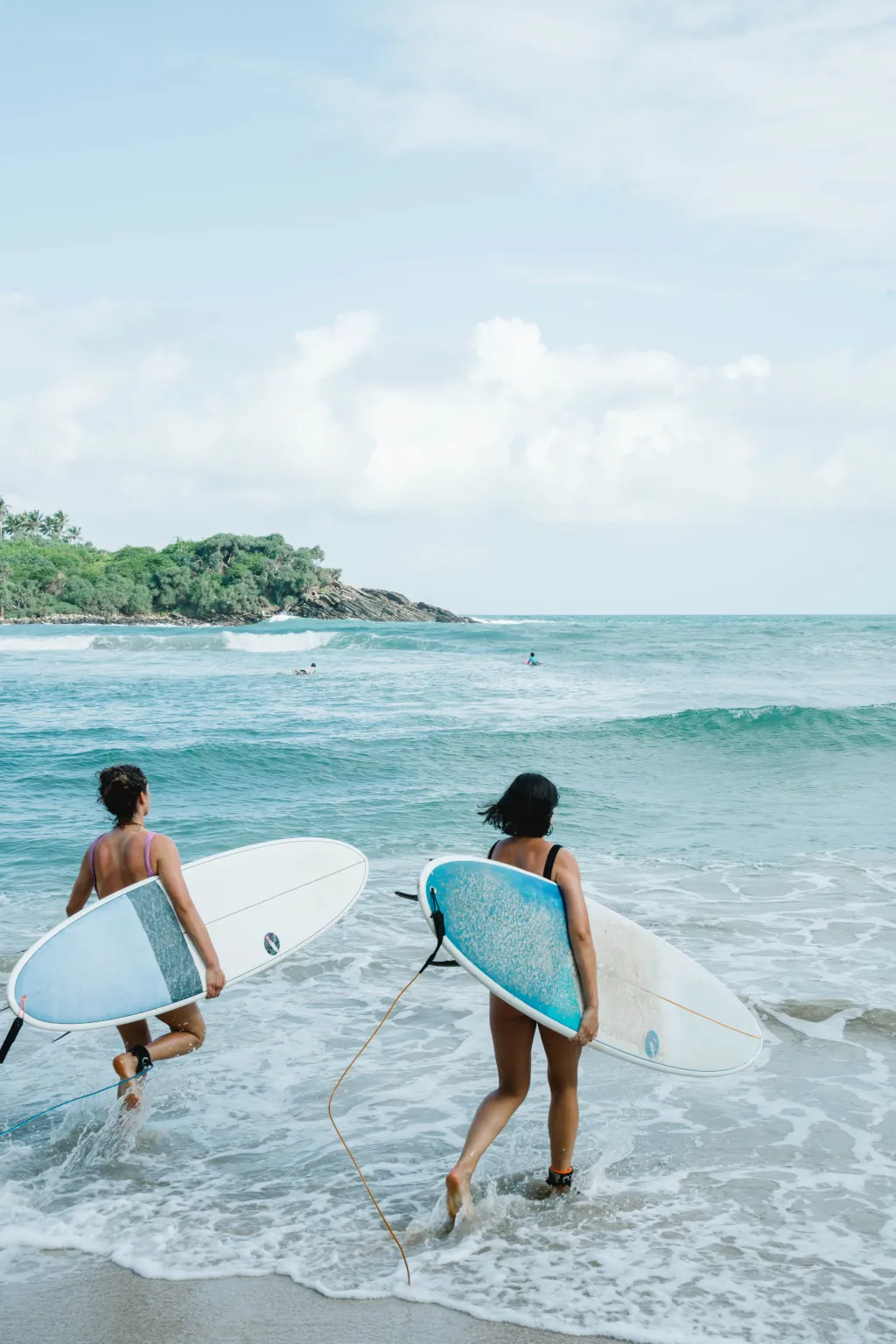
Does the island shut down? Well, a little bit! You’ll notice many of the local shops and family-run warungs close for a couple of days so everyone can head home to their villages. But the waves? They never take a day off. At Kima Surf, we keep the surf going with our usual 2x daily surf sessions. In between catching waves, you’ll have plenty of time to relax and unwind at the pool, during yoga or explore the festive streets of Weligama or Hiriketiya.
We truly believe that to be a great surfer, you have to respect the culture of the waves you ride. The New Year is the ultimate lesson in mindfulness. Just like waiting for the next set, it teaches us to stay present, avoid the rush and practice patience in the lineup.
Ready to catch the New Year wave together with Kima Surf? Book your stay at Kima Surf Sri Lanka and let’s celebrate the New Year (for the second time) together!