Sri Lanka Surf Trip Health Guides
Essential Health Tips
There is nothing worse than planning your dream surf trip for months, packing your bags, landing in tropical paradise, and then spending two days or more stuck in your room while your friends are out riding waves.
Sri Lanka is one of the most magical surf destinations in the world. Warm water, world-class waves, beautiful wildlife, incredible food, and a culture that welcomes you with open arms. But like any tropical destination, a sudden change in diet, climate, and water can sometimes give your immune system a workout.
The good news? Staying healthy, energized, and ready for each surf session is largely doable with a few simple habits. Whether you’re a first-timer catching white water at Kima Surf Camp Weligama or an advanced surfer charging the reef at Kima Hiriketiya, here’s everything you need to know to stay healthy and keep surfing.
Before You Leave Home
Staying healthy on a surf trip starts weeks before you step onto the plane. While Sri Lanka does not recommend the Yellow Fever vaccine for general travel, proof of Yellow Fever vaccination is mandatory for travelers aged 9 months or older arriving from, or transiting for more than 12 hours through, a country with risk of Yellow Fever transmission.
Because exact vaccine recommendations depend on your personal medical history, length of stay, and specific itinerary, it is best to schedule a consultation with a travel health clinic 4 to 6 weeks before departure rather than relying on a universal checklist.
Key vaccines to review with your travel healthcare provider include:
- Hepatitis A & Typhoid: Both spread primarily through contaminated food and water. These are widely recommended for travel to South Asia, especially if you plan to head to local markets and roadside stalls.
- Hepatitis B: Spreads through contact with infectious blood or body fluids. Highly recommended if you might need medical treatment, tattoo work, or extended stays abroad.
- Routine Vaccines & Tetanus: Ensure your routine immunizations (such as MMR and DTP) are up to date. A Tetanus booster is especially critical for surfers, since reef cuts and scrapes are common.
- Rabies: Worth considering if you plan on extended stays, remote exploring, or petting friendly local beach dogs. If bitten by any animal, clean the wound immediately with soap and water and seek medical attention without delay.
Good news? Sri Lanka remains WHO-certified malaria-free with no indigenous transmission (though imported cases occasionally occur), meaning you won’t need anti-malarial medication while spending long days out in the lineup!
Before taking off, make sure you sort out your policy so it explicitly covers surfing, medical care, and emergency transportation. Sri Lanka has good local healthcare near both our camps, but proper coverage gives you total peace of mind. Read our deep dive on surf travel insurance for everything to look out for before picking a provider!
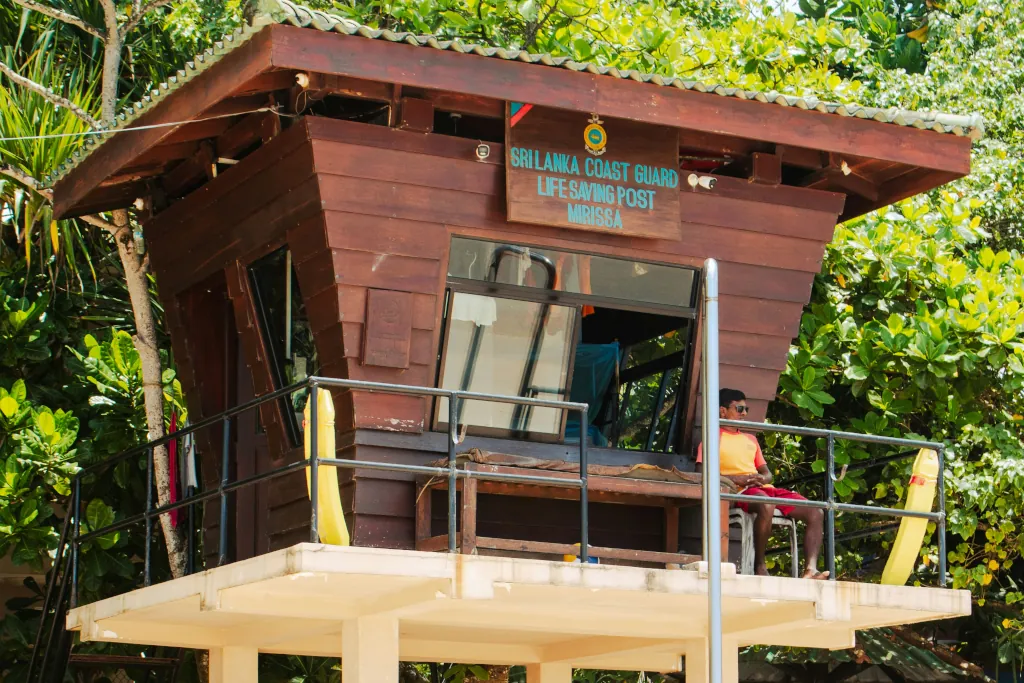
Hydration & Water Safety
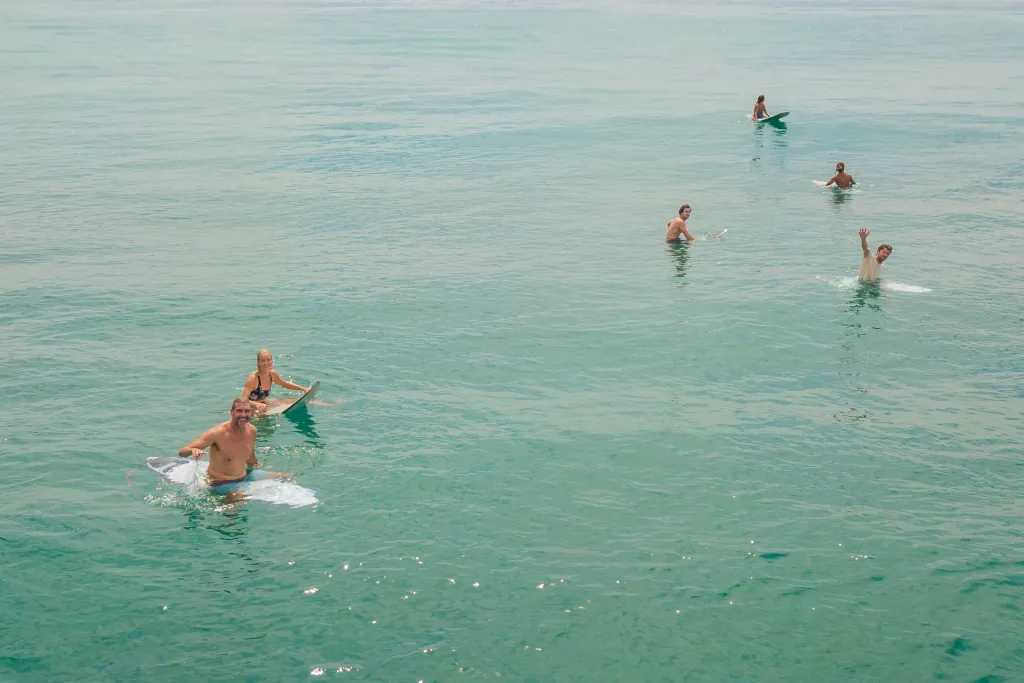
The golden rule of tropical surf travel: never drink unboiled tap water. Even if local water is safe for locals who are used to it, foreign tap water can quickly disrupt a traveler’s stomach.
- Drink filtered or bottled water only: At both of our Kima Sri Lanka camps, we provide clean, filtered drinking water stations so you can refill your stainless steel water bottle endlessly without generating single-use plastic waste.
- Watch out for accidental swallows: Brush your teeth with filtered water, and try to keep your mouth closed during shower sessions.
Eat Smart
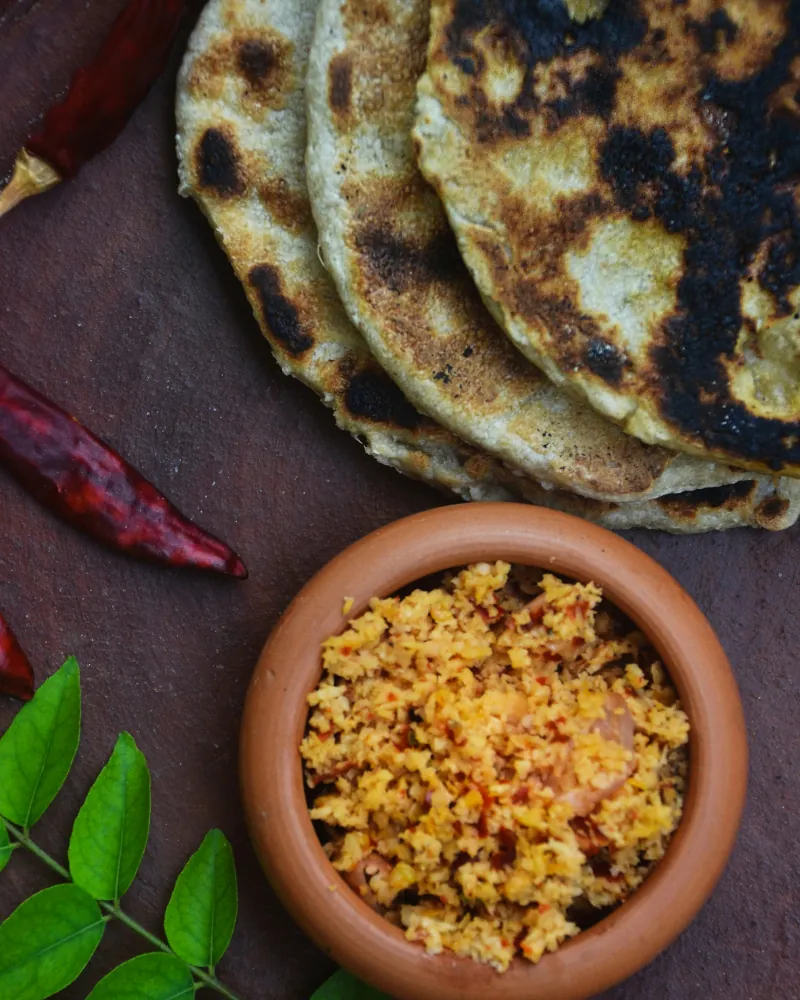
From fragrant coconut pol sambol and kottu roti to rich fish curries, eating your way along the south coast is a huge part of your adventure in Sri Lanka. But foreign stomachs can sometimes struggle at first, not because the food is unsafe (Sri Lankan cuisine is incredible!), but because your gut simply isn’t used to new spices and local microflora.
It can take a day or two to adjust to rich, coconut-heavy meals. Sri Lankan food is genuinely brilliant, so just use a little common sense:
- Eat fresh & hot: It’s the food that’s been sitting out for hours you want to avoid. Stick to local spots where food is cooked fresh to order and has a high turnover.
- Pace the spice: If you aren’t used to fiery chili, ask for “small spicy” or “no chili” when ordering at local eateries.
- Camp nutrition: At Kima, our on-site chefs serve up delicious daily 3-course breakfasts and 5 dinners a week using strict food-handling standards. Our daily feeds are perfect for active ocean athletes, giving you clean energy for dawn patrol without stomach stress.
- Fruit: Opt for fruit you can peel yourself; mango, banana, pineapple. Wash anything you eat with the skin on.
- Wash your hands: After handling cash, riding in tuk-tuks, or touching wax, always wash your hands thoroughly or use hand sanitizer before digging into your food.
Before you head out to local eateries, check out our handy guide on Sri Lanka Language & Surf Lingo so you can order food and ask for the bill like a local!
Tip: Your stomach usually adjusts within a few days. If you’re feeling queasy in the first day or two, don’t panic! Oral Rehydration Salts, called “Jeewani” in Sri Lanka, are your best friend during this period. However, always listen to your body: according to the CDC Traveler’s Health Guidelines, you should seek prompt medical attention if you experience bloody diarrhea, a high fever, persistent vomiting, severe dehydration, or diarrhea lasting more than three days.
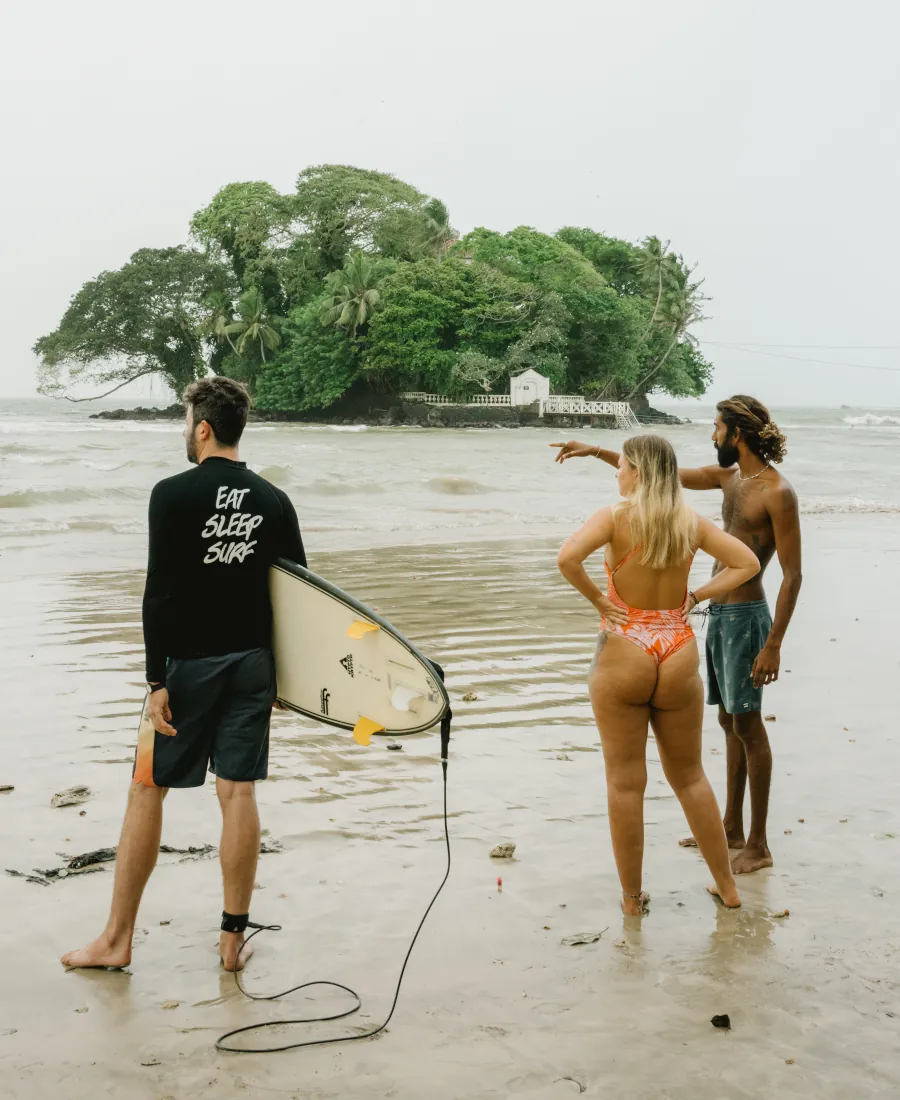
In the Water: Surf-Specific Health Tips
Surfing comes with its own set of health considerations, especially in a tropical country with reef breaks.
Reef Cuts
These are the most common surf injuries on the south coast. A small cut from a reef can go from minor to seriously infected fast in a hot, humid environment. Clean any cuts immediately with fresh water and antiseptic, keep them covered out of the water, and monitor for signs of infection.
Ear Infections
Spending hours in the water every day can lead to a swimmer’s ear, especially if water gets trapped. Shake water out of your ears after each session, dry them, and consider using ear drops after checking with a healthcare professional.
In the Lineup
When duck-diving or turtle-rolling through white water, try not to swallow ocean water near river mouths or busy harbors, especially right after heavy rain since it carries higher levels of bacteria.
Tip: If you’re a beginner surfer still getting used to wipeouts, join our pool sessions to learn how to turtle roll safely. Our coaches will also brief you on conditions and hazards at each spot before you paddle out. Knowing the break reduces your risk significantly!
Mosquitoes & Insects
Dengue fever is a real risk in Sri Lanka, it’s transmitted by mosquitoes and worth taking seriously. There is no widely available dengue vaccine recommended for most travelers, so preventing mosquito bites remains essential.
- Dengue mosquitoes can bite during the day and night. Recommend repellent throughout the day, particularly in the early morning and late afternoon.
- Sleep with air conditioning or under a mosquito net.
- Wear long sleeves and trousers in the evenings.
Our camps both have screened rooms and good airflow, your best defence is keeping doors closed in the evening.
Sun, Heat & Tropical Recovery
The Sri Lankan sun is intense and physically demanding. Heatstroke, sunburn and dehydration are genuinely common among surfers who underestimate the tropical sun. Two sessions a day in warm water under a strong sun deplete your body faster than you might expect, and dehydration is one of the most common reasons surfers feel off during their trip. Here are a few tips to stay at 100%:
- Apply heavy-duty, reef-safe zinc before paddling out, and wear a UV-protective rashguard to prevent surfboard rash and back burns.
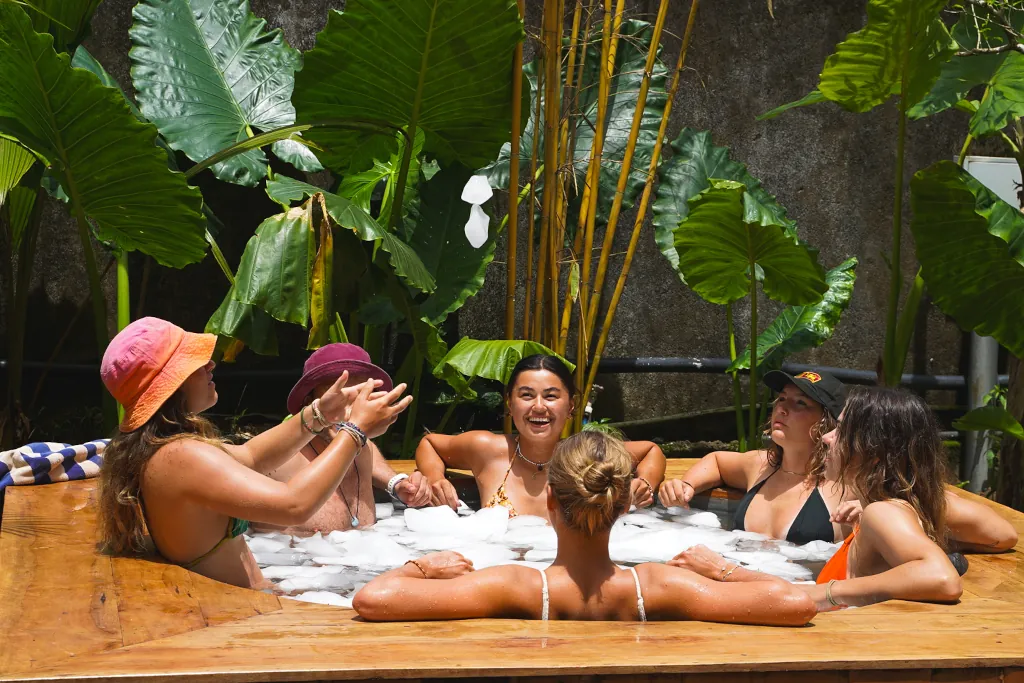
- Avoid baking in the sun between 11:00 AM and 2:00 PM. Take a nap, hit the shade at camp, or jump into our recovery ice baths to reset your body for the afternoon sunset surf.
- Drink water constantly throughout the day, not just when you’re thirsty.
- Add electrolytes after long sessions, coconut water is both local and brilliant for this.
- Eat properly between sessions, your body is working hard and needs to refuel.
- Rest & reset. It sounds obvious, but pushing through fatigue day after day catches up with you.
At both of our Kima Surf Camps in Sri Lanka, we serve a 3-course breakfast after your morning session, have our recovery facilities including ice baths at camp, and run daily yoga sessions designed to keep your body moving and your muscles recovered. Taking care of yourself off the board is how you keep surfing on it.
Stay Healthy, Stay Stoked!
At the end of the day, staying healthy in Sri Lanka comes down to a few simple things: preparation before you fly, common sense once you’re there, and listening to your body when it needs rest.
When you stay at Kima, our local surf guides, experienced coaches, and camp crew handle all the background details, from clean drinking water and fresh nutrition to recovery ice baths, daily yoga, and guiding you safely to the best surf spots.
We’ve hosted thousands of surfers from all over the world, and our program is built around keeping you healthy, stoked, and surfing at your best from day one to your last session.
Take care of your body and it’ll take care of your surfing. See you on the island!